
Kakheti Wine Region: Exploring Georgia's Ancient Wine Heartland
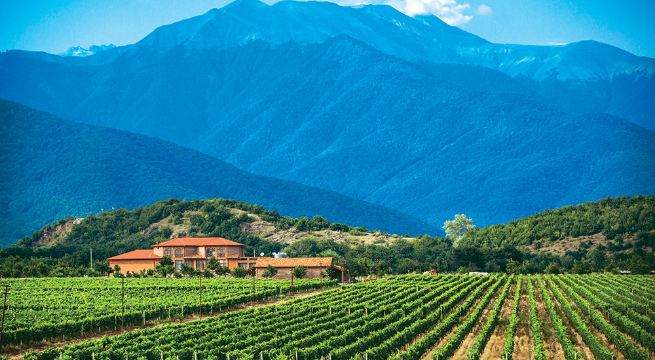
Few places in the world are as closely connected to wine as the Kakheti Wine Region. Located in eastern Georgia, this fertile landscape of vineyards, monasteries and historic towns is considered the centre of Georgian winemaking, a tradition that stretches back more than 8,000 years. For travellers planning a journey through Georgia, Kakheti offers far more than wine tasting. It is a region where culture, hospitality, history and agriculture remain deeply intertwined, creating an experience that feels authentic and distinctly Georgian.
The Kakheti Wine Region attracts everyone from dedicated wine enthusiasts to first-time visitors curious about Georgia's reputation as the birthplace of wine. Rolling valleys framed by the Caucasus Mountains, family-owned wine cellars, centuries-old monasteries and generous traditional feasts combine to create one of the country's most rewarding travel experiences. Whether you are spending a day exploring from Tbilisi or planning a longer stay among the vineyards, understanding Kakheti will enrich any trip to Georgia.
Why Visit the Kakheti Wine Region?
Kakheti occupies much of eastern Georgia, stretching towards the borders with Azerbaijan and Russia. The region's geography plays a crucial role in its identity. Fertile valleys, abundant sunshine and moderate rainfall have created ideal conditions for viticulture for thousands of years. Vineyards dominate the landscape, particularly in the Alazani Valley, one of Georgia's most productive wine-growing areas.
What makes Kakheti particularly fascinating is that wine here is not simply an industry. It is a living cultural tradition. Many families continue to make wine using the ancient qvevri method, fermenting and ageing wine in large clay vessels buried underground. This technique has been recognised by UNESCO as part of humanity's intangible cultural heritage and remains an important symbol of Georgian identity.
Beyond wine, Kakheti offers a deeper understanding of Georgia itself. The region has played a significant role throughout Georgian history, serving as a political and cultural centre during various periods. Ancient churches, defensive fortresses and royal residences provide insight into centuries of resilience and development. Combined with renowned hospitality and excellent cuisine, Kakheti delivers a complete travel experience rather than a single attraction.
"Every guest is sent by God."— Traditional Georgian Saying
This traditional Georgian saying reflects the hospitality visitors encounter throughout Kakheti, where sharing wine, food and stories remains an important part of everyday life.
Understanding Georgia's Ancient Winemaking Tradition
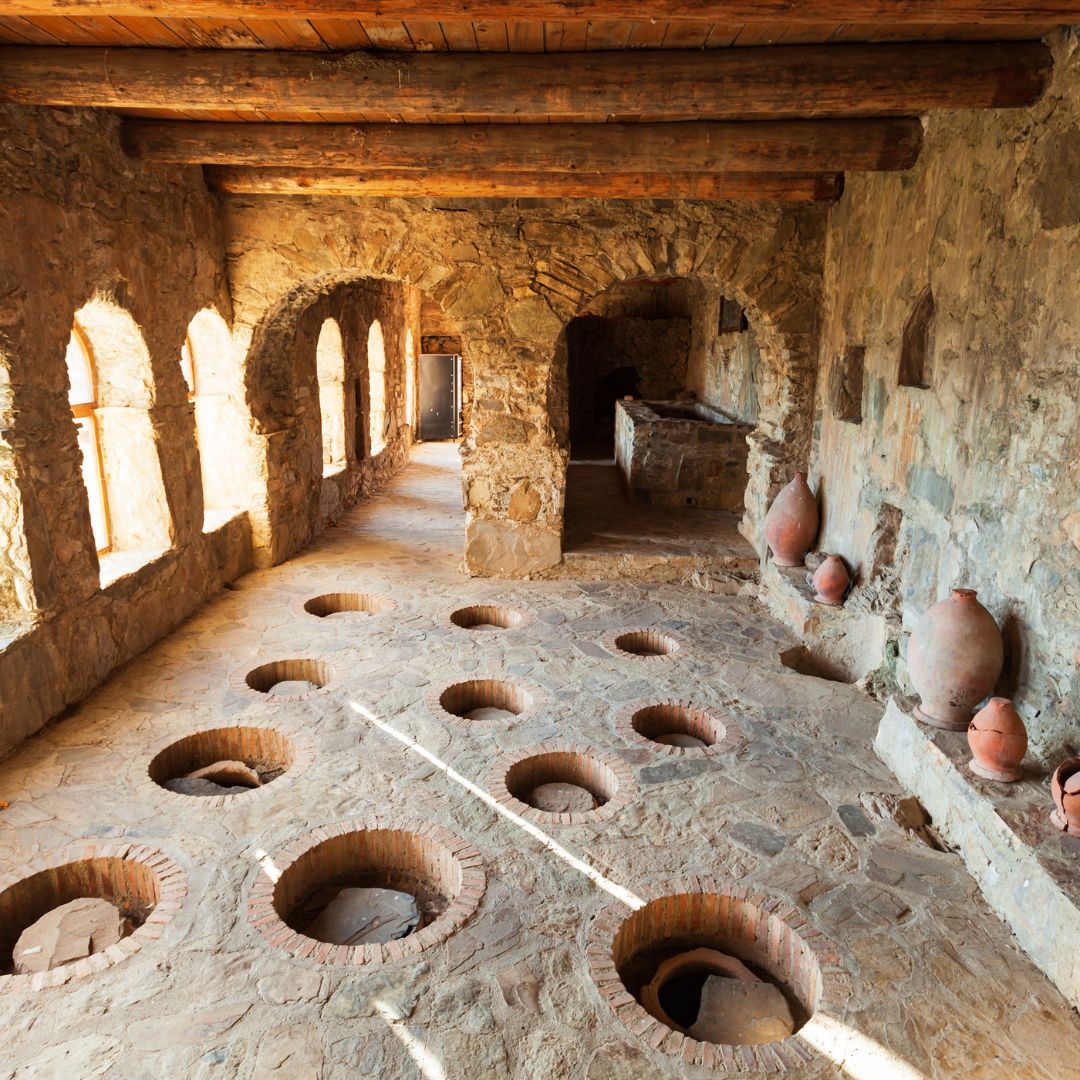
To appreciate the Kakheti Wine Region, it helps to understand the extraordinary history behind Georgian wine. Archaeological discoveries indicate that organised winemaking began in Georgia more than 8,000 years ago, making the country one of the earliest known centres of viticulture anywhere in the world.
The traditional qvevri method remains central to this legacy. Large egg-shaped clay vessels are buried underground and used for fermentation, ageing and storage. Unlike many modern winemaking techniques, qvevri wines often ferment with grape skins, stems and seeds, creating distinctive flavours, textures and colours. White wines produced this way frequently develop amber tones and complex characteristics that differ significantly from conventional European white wines.
Visitors often discover that Georgian wine culture is deeply social. Wine accompanies celebrations, family gatherings and traditional supra feasts. Toasting traditions led by a tamada, or toastmaster, remain important cultural rituals. Understanding these customs provides valuable context when visiting wineries and family cellars throughout Kakheti.
If you are unfamiliar with Georgian wines, begin with Saperavi, Rkatsiteli and Kisi. These varieties offer an excellent introduction to the country's unique winemaking traditions and regional styles.
Sighnaghi: The Most Famous Town in Kakheti
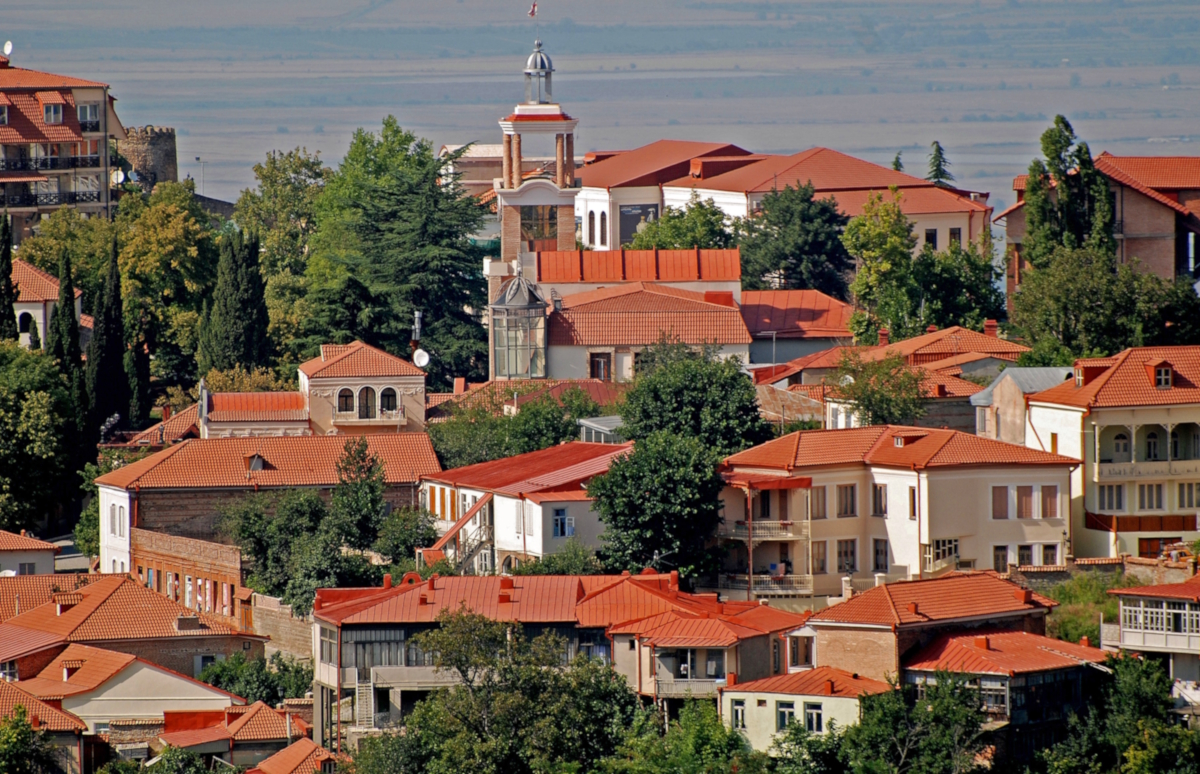
Among Kakheti's destinations, Sighnaghi has become one of the most popular with international travellers. Perched on a hillside overlooking the Alazani Valley, the town combines historic architecture with sweeping views of the Caucasus Mountains.
Carefully restored streets, colourful balconies and preserved defensive walls create a distinctive atmosphere that differs from larger Georgian cities. Walking through Sighnaghi reveals a blend of Georgian, European and local Kakhetian influences. Small cafés, wine bars and artisan shops contribute to its relaxed pace while panoramic viewpoints provide some of the finest scenery in eastern Georgia.
The town's history stretches back centuries, though much of its current appearance reflects restoration efforts undertaken during the early twenty-first century. Today, Sighnaghi serves as an ideal base for exploring surrounding wineries and cultural sites while offering comfortable accommodation and dining options.
Nearby lies Bodbe Monastery, one of Georgia's most important religious sites. Associated with Saint Nino, who played a key role in introducing Christianity to Georgia during the fourth century, the monastery continues to attract both pilgrims and travellers seeking cultural insight.
Telavi and the Heart of Wine Country
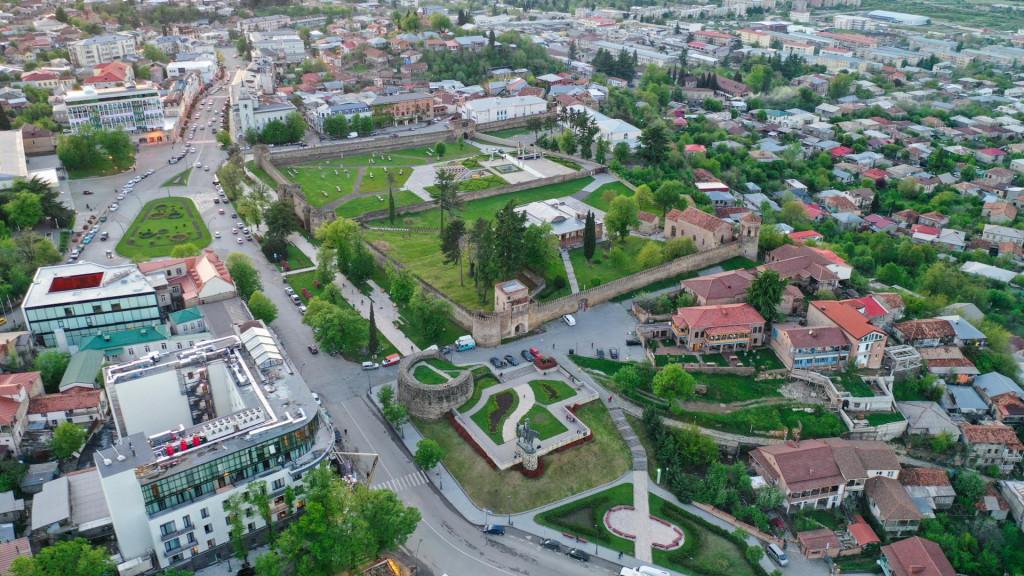
While Sighnaghi often receives the most attention from international visitors, Telavi serves as the administrative and cultural centre of the Kakheti Wine Region. Located in the heart of the Alazani Valley, Telavi provides convenient access to many of the region's wineries and historical landmarks.
The town combines everyday Georgian life with significant historical attractions. One of the most notable sites is Batonistsikhe Fortress, which served as a residence for Kakhetian kings during the eighteenth century. Walking through the complex offers insight into a period when regional rulers sought to preserve Georgian independence amid external pressures.
Telavi's markets, bakeries and restaurants also provide opportunities to experience regional cuisine. Traditional dishes often feature locally grown ingredients, reflecting the agricultural abundance that has supported communities here for generations.
Highlights of the Kakheti Wine Region
Alaverdi Monastery
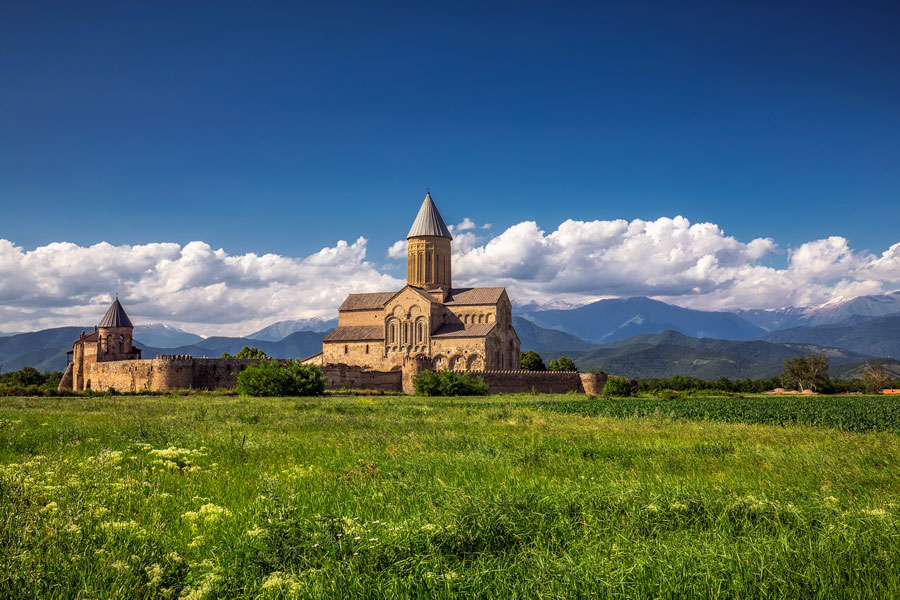
Alaverdi Monastery stands among the most significant religious and cultural landmarks in eastern Georgia. Founded more than a thousand years ago, it remains an active monastery and an important symbol of Georgian Christianity. Its cathedral dominates the surrounding landscape and ranks among the tallest religious structures in the country.
The monastery also maintains a historic connection to winemaking. Monastic communities have produced wine here for centuries, preserving techniques that continue to influence Georgian viticulture today. Visitors gain not only architectural and historical insight but also a deeper appreciation of the relationship between religion and wine in Georgian culture.
Dress modestly when visiting religious sites and allow sufficient time to explore the surrounding grounds.
Tsinandali Estate
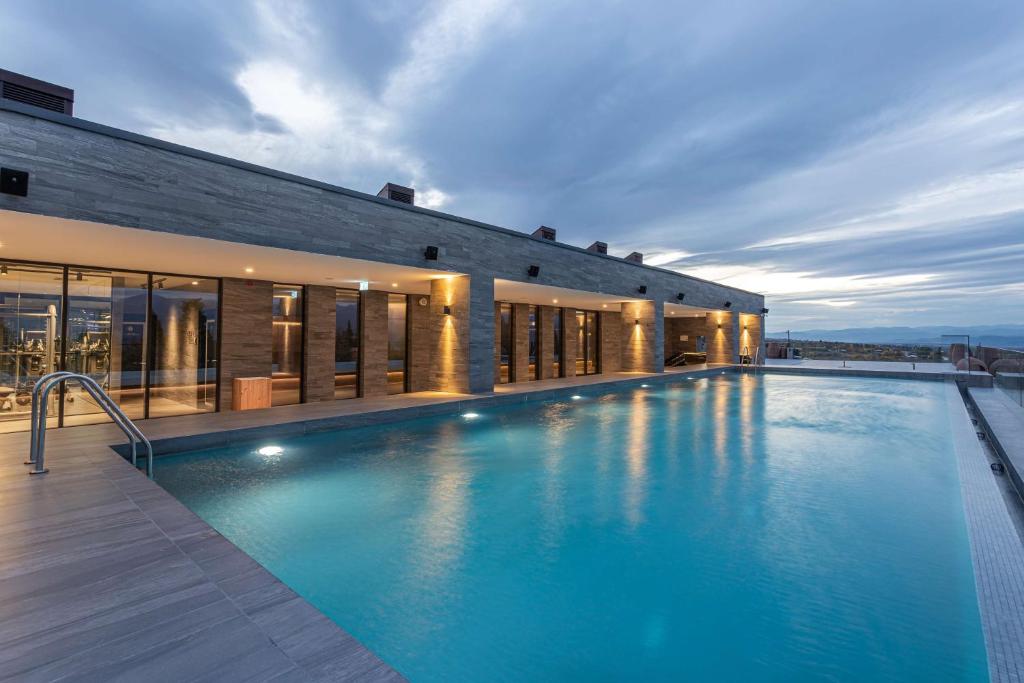
Tsinandali Estate offers a different perspective on Georgian wine history. Once home to the noble Chavchavadze family, the estate became an important cultural centre during the nineteenth century. European influences introduced during this period helped shape modern Georgian winemaking while preserving local traditions.
Visitors can tour elegant gardens, historic buildings and wine cellars while learning about the evolution of Georgian wine production. The estate frequently hosts cultural events, concerts and exhibitions that further enhance the visitor experience.
Book wine tastings in advance during peak travel seasons.
Gremi
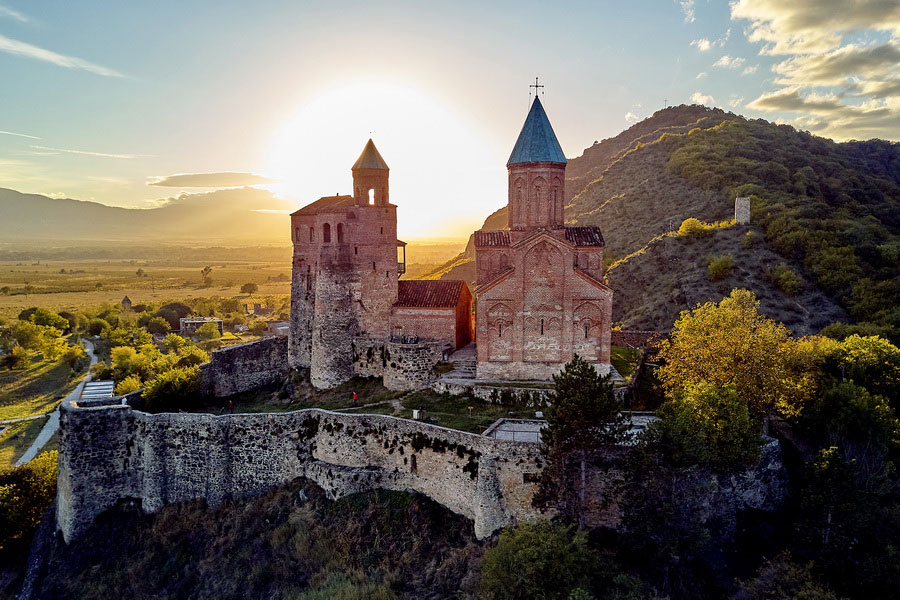
The former royal capital of Kakheti provides a striking glimpse into Georgia's medieval past. The surviving church tower and fortress rise above surrounding vineyards, creating one of the region's most recognisable landscapes.
Exploring Gremi helps visitors understand the historical importance of Kakheti as both a political and economic centre. Interpretive displays and museum exhibits provide valuable context while elevated viewpoints offer excellent photography opportunities.
Visit during the morning or late afternoon for more comfortable temperatures and softer light.
Local Family Maranis
Some of the most memorable experiences in Kakheti occur away from major attractions. Small family-run maranis, or wine cellars, welcome visitors into homes where generations have produced wine using traditional methods.
These visits often include homemade wine, regional dishes and personal stories that reveal everyday life in the region. Conversations around the table frequently become highlights of a Georgian journey because they offer genuine cultural exchange rather than a formal tourism experience.
Consider visiting with a guide or organised tour to facilitate communication and cultural understanding.
Discover our expertly crafted tours across Georgia — from the Caucasus mountains to the Black Sea coast.
View All Tours →Food and Wine Pairings in Kakheti
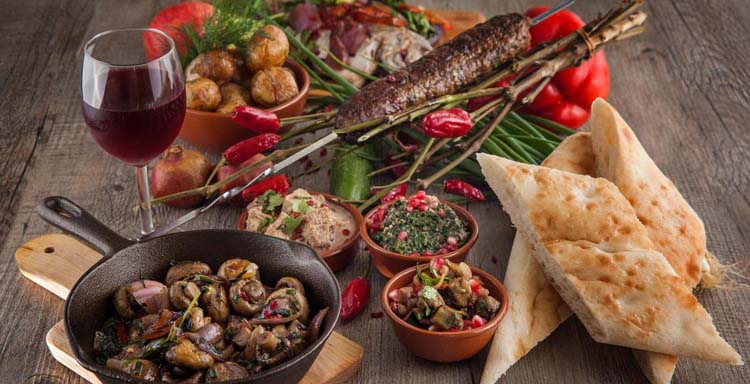
Wine and food are inseparable in Kakheti. Regional cuisine complements local wines while reflecting agricultural traditions that have developed over centuries. Khachapuri, mtsvadi, churchkhela and various cheese varieties regularly appear alongside wine tastings.
Particularly notable is the use of seasonal produce. Fresh vegetables, walnuts, herbs and fruits contribute to dishes that emphasise flavour rather than complexity. Many recipes have remained largely unchanged for generations, preserving a strong connection between food and local identity.
Traditional supras elevate dining into a cultural event. Multiple courses arrive throughout the meal while toasts guide conversation and celebration. For visitors, participating in a supra provides valuable insight into Georgian social customs and values.
Wine tastings in Kakheti often involve multiple varieties and generous hospitality. If you plan to visit several wineries in one day, arrange transportation in advance and avoid driving after consuming alcohol.
Best Time to Visit Kakheti
Each season brings different advantages to the Kakheti Wine Region. Spring introduces green vineyards, flowering landscapes and comfortable temperatures ideal for sightseeing. Summer offers long days and lively outdoor activities though temperatures can become quite warm.
Autumn remains particularly popular because it coincides with Rtveli, Georgia's traditional grape harvest season. Vineyards become especially active as families gather to harvest grapes and begin wine production. Visitors during this period often gain unique insight into winemaking traditions that continue to shape regional life.
Winter presents a quieter atmosphere with fewer visitors. While vineyard activity slows, cultural attractions remain accessible and wine-focused experiences continue year-round.
Practical Travel Information
Most travellers reach Kakheti from Tbilisi, which lies approximately one to two hours away depending on destination and traffic conditions. Private vehicles offer the greatest flexibility while organised tours provide convenience and local expertise. Shared minibuses operate between major towns, though schedules may vary.
Packing requirements depend on the season. Comfortable walking shoes are essential for exploring towns, monasteries and winery grounds. Layers are useful throughout much of the year due to temperature variations between mornings and afternoons. Sun protection is particularly important during summer months.
Accommodation options range from boutique hotels and vineyard guesthouses to family-run guest accommodations. Staying overnight allows visitors to experience evenings in wine country and avoid rushing between attractions.
Mobile coverage remains reliable across most populated areas while internet access is widely available in hotels, restaurants and cafés. Accessibility varies between historic sites due to uneven terrain, stairs and preservation requirements.
Georgia is generally considered a safe destination for travellers and Kakheti follows this pattern. Standard travel precautions are sufficient for most visitors.
Why Choose GeoWonder
Exploring the Kakheti Wine Region becomes more rewarding when guided by local expertise. GeoWonder's experienced guides provide historical context, cultural insight and practical knowledge that help travellers understand not only where they are but why each place matters.
Small-group tours create opportunities for meaningful interaction while private tours allow flexibility based on individual interests. Whether focusing on wine, history, cuisine or photography, itineraries can be adapted to create a more personalised experience. Comfortable transportation and established local relationships further enhance access to authentic experiences throughout the region.
Discover our expertly crafted tours across Georgia — from the Caucasus mountains to the Black Sea coast.
View All Tours →Conclusion
The Kakheti Wine Region represents one of the most compelling reasons to visit Georgia. Its vineyards, historic towns, monasteries and culinary traditions offer far more than a simple wine tourism experience. Here, travellers encounter a culture shaped by thousands of years of continuity where ancient techniques remain part of everyday life and hospitality remains a defining value.
Whether you spend a single day exploring from Tbilisi or dedicate several days to discovering the region's wineries and cultural landmarks, Kakheti reveals an essential part of Georgia's identity. For those seeking authenticity, history, exceptional food and some of the world's oldest winemaking traditions, the Kakheti Wine Region remains one of the country's most rewarding destinations.
How many days should I spend in the Kakheti Wine Region?
One day allows visitors to see major highlights such as Sighnaghi and a few wineries, but two to three days provides a much richer experience. Staying longer enables exploration of Telavi, historic monasteries, family-run wine cellars and regional cuisine at a relaxed pace. It also allows time to appreciate the atmosphere beyond organised tastings.
Is Kakheti suitable for travellers who are not wine enthusiasts?
Absolutely. Although wine forms a major part of the region's identity, Kakheti also offers historic architecture, religious sites, mountain views, local cuisine and cultural experiences. Many visitors enjoy the scenery, hospitality and history even if wine is not their primary interest.
What is the qvevri winemaking method?
The qvevri method uses large clay vessels buried underground for fermentation and ageing. This ancient Georgian technique dates back thousands of years and remains widely used throughout Kakheti. Wines produced in qvevri often display distinctive flavours and textures that differ from conventional European styles.
Can I visit Kakheti as a day trip from Tbilisi?
Yes. Many travellers visit Kakheti on a day trip from Tbilisi because major destinations such as Sighnaghi are relatively close to the capital. However, spending at least one night in the region allows for a deeper appreciation of local culture and avoids a rushed itinerary.
When is the grape harvest season in Kakheti?
The traditional grape harvest, known as Rtveli, generally takes place between September and October depending on weather conditions and grape varieties. This period is one of the most exciting times to visit because vineyards become active with harvesting, pressing and early stages of wine production.
Planning a trip to Georgia?
Let us create the perfect journey for you — from mountain treks to coastal escapes, every detail handled.
Contact Us