
The Best Georgian Wines: A Traveller's Guide to the World's Oldest Wine Country
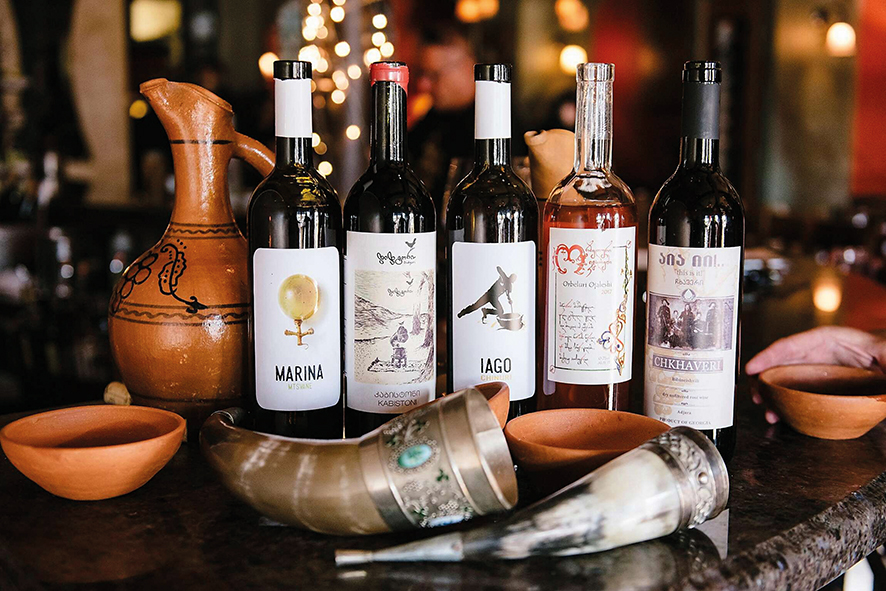
Long before France planted its first vine or Italy pressed its first grape, people in the valleys of the Caucasus were burying clay vessels in the ground and filling them with crushed fruit. Eight thousand years later, that same ritual is still alive, and tasting your way through the best Georgian wines is one of the most rewarding things any traveller can do here. This is not a country where wine sits politely in the background of a holiday. It runs through everything: the language, the religion, the feasts that stretch into the small hours and the fierce pride of families who have made wine the same way for generations. If you are planning a trip to Georgia and want to understand the place rather than simply photograph it, the cellar is where you begin.
What makes Georgian wine so compelling is not just its age but its sheer strangeness to the modern palate. Amber wines that taste of dried apricot and orange peel, inky reds pressed from grapes whose flesh is as dark as their skins, fizzy farmhouse pours served straight from the qvevri: none of it behaves the way supermarket wine has trained us to expect. Over the next few thousand words you will get a clear picture of how Georgian wine works, which producers genuinely deserve your time and how to fold a proper wine experience into a wider journey through Tbilisi, Kakheti and beyond. Think of it as a map for drinking well in the cradle of wine.
Why the Best Georgian Wines Belong at the Heart of Your Trip
Georgia sits at the seam where Europe meets Asia, hemmed in by the Greater Caucasus to the north and the Black Sea to the west. That geography matters enormously for wine. Within a country roughly the size of Ireland you find subtropical coastline, high alpine pasture, river valleys and stony hillsides, and each pocket grows grapes you will struggle to find anywhere else on earth. More than 500 indigenous varieties survive here, a genetic library that no other wine nation can match. The result is a diversity of flavour out of all proportion to the country's modest dimensions, which is exactly why serious wine lovers keep arriving with empty suitcases and leaving with full ones.
The cultural weight of wine in Georgia is harder to overstate. Winemaking is woven into the Orthodox faith, into folk songs sung in dense polyphonic harmony and above all into the supra, the traditional feast presided over by a tamada or toastmaster. To share wine here is to share history, and a glass is rarely just a glass. This continuity gives Georgian wine an authenticity that money cannot manufacture, and it is the reason the qvevri method earned a place on UNESCO's list of intangible cultural heritage in 2013. Compared with a polished tasting room in a more commercial wine region, a Georgian marani feels less like a transaction and more like being welcomed into someone's home.
"Georgia is the cradle of wine."— Hugh Johnson, Vintage: The Story of Wine
There is also the simple matter of value and variety. A traveller who has worked through the great names of Bordeaux or Tuscany will find Georgia genuinely novel rather than a cheaper imitation of somewhere familiar. Set against Georgia's other headline experiences, from hiking beneath Gergeti Trinity Church at Kazbegi to wandering the cave city of Vardzia, a day among the vines holds its own easily. It rewards the curious, the hungry and the sociable in equal measure, and it tends to be the part of the trip people talk about for years afterwards.
Understanding Georgian Wine Before You Taste It
The single most important word in Georgian wine is qvevri. These are large egg-shaped clay vessels, sometimes big enough to hold a person, that are buried up to their necks in the earthen floor of a marani or cellar. Grapes go in whole or crushed, fermentation happens with wild yeast and the constant cool of the surrounding soil regulates the temperature naturally. The name itself comes from the idea of something buried below, and the method is the oldest continuously practised winemaking technology in the world. When a winemaker opens a sealed qvevri in spring, there is a real sense of suspense about what the clay has produced, and the moment is often marked with a small celebration.
From this tradition comes Georgia's most distinctive style: amber wine, which the rest of the world tends to call orange wine. White grapes are fermented on their skins, stems and pips rather than being pressed clean, and that prolonged contact draws out colour, tannin and a savoury, almost tea-like depth you never get from a conventional white. Georgians describe this as leaving the wine with its mother. The reds are no less striking, led by Saperavi, a grape whose flesh and skin are both deeply pigmented, giving wines of brooding colour, firm structure and dark-fruit intensity that can age for decades. Whites such as Rkatsiteli, Mtsvane, Kisi and Khikhvi round out the everyday repertoire, while rarer varieties reward anyone willing to look harder.
"The texture, flavor, and aroma of Georgian wine is like a rainbow."— John Wurdeman, Pheasant's Tears (The Splendid Table)
Geography splits the wine country into clear regions, and knowing them helps enormously when you plan. Kakheti in the east is the powerhouse, accounting for the great majority of Georgia's production and home to famous appellations like Tsinandali, Mukuzani and Kindzmarauli, each tied to a particular grape and style. Kartli, close to Tbilisi and Mtskheta, produces fresher, more European-leaning wines and is the easiest region to reach on a short trip. Out west, Imereti works with lighter whites such as Tsitska, Tsolikouri and the rare Krakhuna, using shorter skin contact than Kakheti. Mountainous Racha, remote and hard to reach, is celebrated for the naturally semi-sweet Khvanchkara. The cellars of Alaverdi Monastery, where monks have made wine since the eleventh century, remind you that all of this rests on a spiritual foundation as much as an agricultural one.
Ask before you taste whether a wine is made in qvevri or in steel, and whether it is dry, semi-sweet or amber. Large commercial producers and tiny natural cellars sit side by side in Georgia, and the styles could not be more different. Knowing what is in your glass turns a pleasant tasting into a proper education.
The Georgian Wine Producers Worth Seeking Out
Georgia has thousands of winemakers, from industrial brands shipping millions of bottles to one-person operations tending a single hectare. The producers below were chosen because they make excellent wine, welcome visitors warmly and between them tell the fuller story of Georgian winemaking across several regions and styles. Treat this as a starting framework rather than a closed list, and let a good guide steer you toward the smaller cellars that never make it into print.
Iberieli — Authentic Georgian Natural Wines
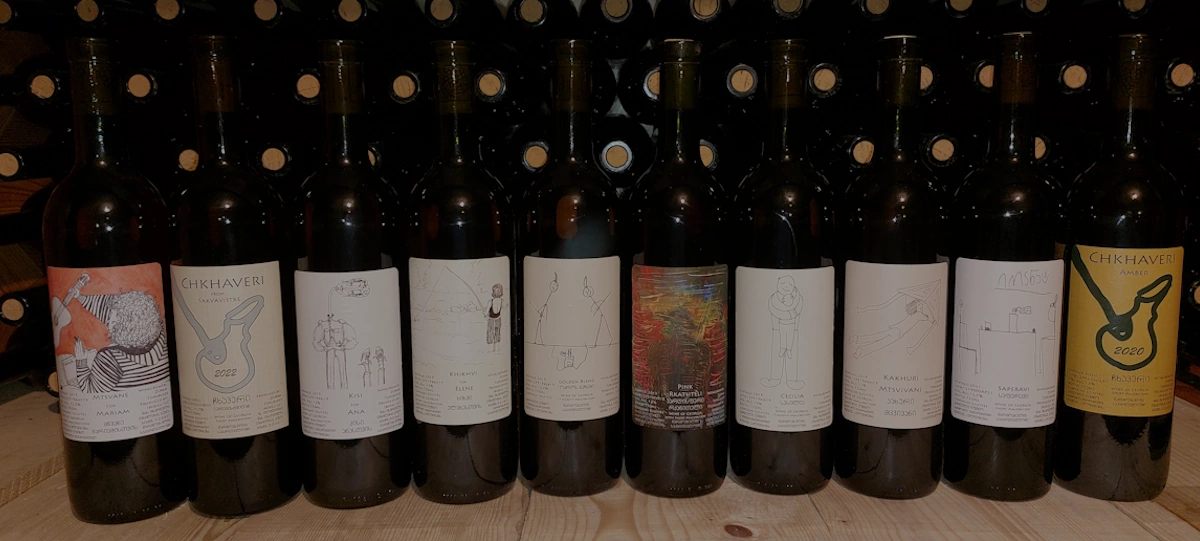
Iberieli is the family winery to beat for anyone serious about natural, terroir-driven Georgian wine. Run by Zurab Topuridze, it works two very different sites: a small, lush plot in the semitropical western region of Guria and a larger holding of around five and a half hectares in the prime eastern winelands of Kakheti, near the village of Tsinandali in the Teliani appellation. The name was chosen by Zurab's children and nods to the ancient Iberians of the Caucasus, the people credited with inventing qvevri winemaking thousands of years ago. That sense of going back to first principles runs through everything here. The farming is fully organic, fermentation relies only on native yeast, the wines are neither fined nor filtered and sulphur is kept to an absolute minimum.
Zurab is not a marginal figure in Georgian wine but one of its standard-setters. He co-founded the country's Natural Wine Association and helped write the sustainability criteria that other natural producers now follow, which lends his bottles real credibility rather than mere romance. His range shows the breadth of what Georgia can do, from the Golden Blend that marries Rkatsiteli, Mtsvane, Kisi and Khikhvi into a dry amber wine full of caramel, citrus and quince, to a snappier, more lifted style of Saperavi that earned a gold medal when judged blind by leading sommeliers. Perhaps his most quietly heroic achievement has been rescuing the Guria region's Chkhaveri grape from the edge of extinction, restoring a variety that had all but vanished. For travellers, a visit means tasting wines that are widely exported, frequently sold out abroad and made by a man whose calm precision belies the wildness people sometimes expect from natural wine.
Discover our expertly crafted tours across Georgia — from the Caucasus mountains to the Black Sea coast.
View All Tours →Pheasant's Tears
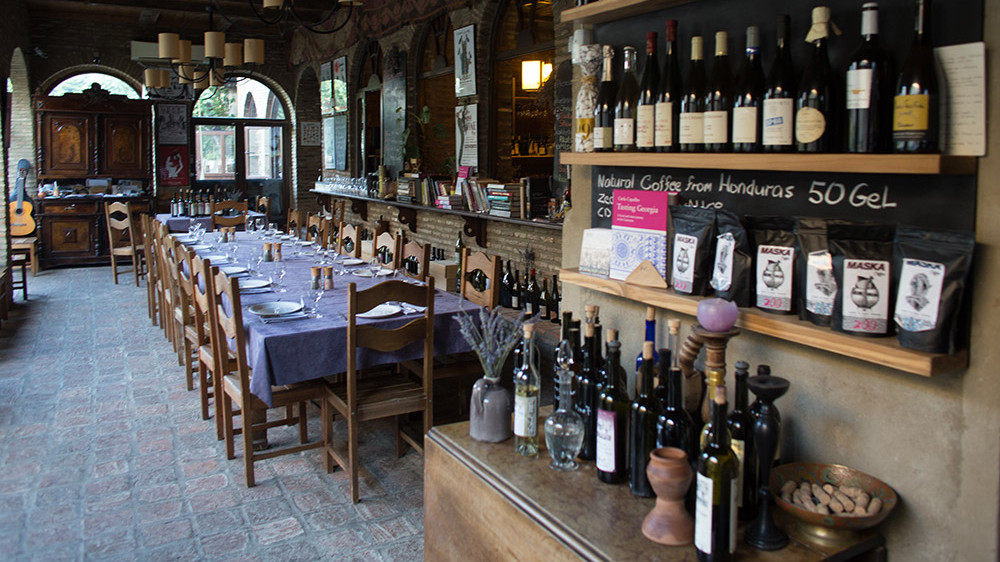
Few names have done more to carry Georgian wine to the wider world than Pheasant's Tears. The winery was founded in the late 2000s by John Wurdeman, an American painter who fell for Georgia through its polyphonic folk music, and Gela Patalishvili, an eighth-generation winemaker from Kakheti. Their meeting has become local legend: Wurdeman was painting in a vineyard when Patalishvili drove past on a tractor and invited the stranger to dinner. The partnership that followed set out to revive what Soviet industrialisation had nearly erased, using only qvevri, only indigenous grapes and only organic farming. The unusual name comes from a Georgian saying about wine so fine it could move even a pheasant to tears.
What sets Pheasant's Tears apart is its devotion to diversity. The estate tends a living library of more than 200 grape varieties and has even made a single wine from dozens of them at once, an act of preservation as much as winemaking. Based around Sighnaghi and the village of Tibaani, the operation grew to include a celebrated restaurant that appeared on Anthony Bourdain's Parts Unknown, along with Vino Underground, the first natural wine bar in Tbilisi. A meal here pairs amber and red qvevri wines with seasonal Kakhetian cooking and, often, live music. Booking ahead is essential, particularly in autumn, and the hilltop town of Sighnaghi itself, with its walls overlooking the Alazani Valley and the Caucasus beyond, justifies the trip on its own.
Schuchmann Wines
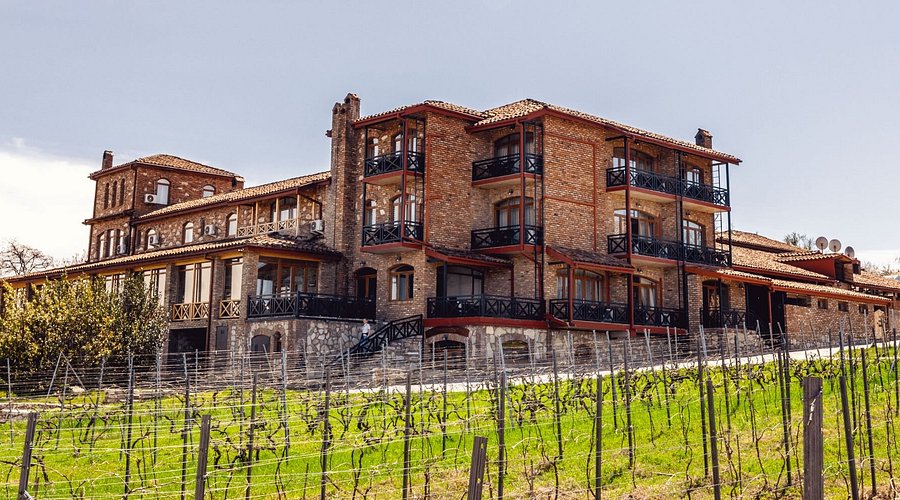
For travellers who want comfort alongside their tasting, Schuchmann Wines offers the most polished experience in Kakheti. Founded by the German entrepreneur Klaus Schuchmann at Kisiskhevi near Telavi, it combines a modern winery with a hotel, a restaurant and a spa where you can soak in a wine bath after a day in the cellar. Crucially, Schuchmann did not abandon tradition in the name of professionalism. The estate runs a respected qvevri programme under its Vinoterra label alongside its European-method wines, so a single tasting can move from a clean, contemporary Mukuzani or Tsinandali to a skin-contact amber made in clay. This makes it an ideal place to grasp the difference between the two worlds in one sitting.
The setting helps too. The chateau looks out over vineyards toward the wall of the Greater Caucasus, and the on-site restaurant pairs regional dishes with the house range. Prices sit at the higher end by Georgian standards, but they remain reasonable for the level of service, and the option to stay overnight among the vines makes Schuchmann a natural base for exploring the rest of Kakheti. If you only have time for one larger, full-service winery before seeking out the smaller family cellars, this is a strong choice.
Château Mukhrani
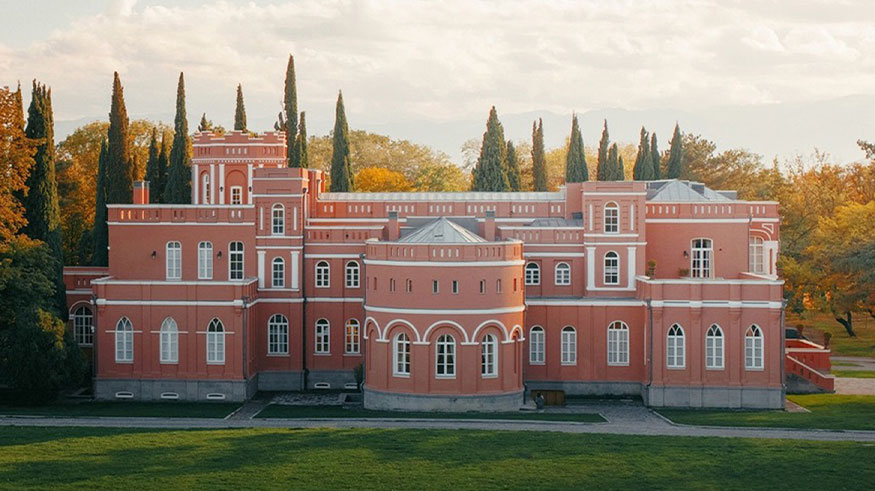
Château Mukhrani brings a touch of aristocratic grandeur to the wine route and, conveniently, sits only about forty minutes from Tbilisi in the Kartli region. The estate occupies a restored nineteenth-century royal property once owned by Prince Ivane Mukhranbatoni, complete with formal gardens, a handsome château and a professional tasting room. The style here leans European, with more barrel ageing and less reliance on qvevri than you find in Kakheti, which makes Mukhrani an interesting counterpoint for anyone curious about how Georgian grapes behave under French-influenced techniques. The grounds alone reward a visit, and the proximity to both Tbilisi and the old capital of Mtskheta makes it easy to combine with sightseeing.
Baia's Wine
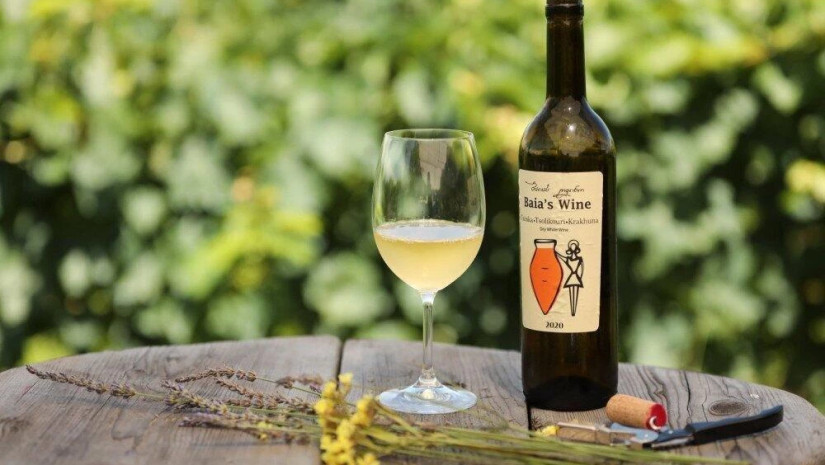
To understand where Georgian wine is heading, head west to Imereti and visit Baia's Wine near Kutaisi. Run by Baia Abuladze, one of the most visible figures in a young generation of natural winemakers, this small family operation works with western grapes such as Tsitska, Tsolikouri and Krakhuna. The wines are lighter, brighter and higher in acidity than their Kakhetian cousins, reflecting both the cooler climate and the gentler skin contact typical of Imereti. What you remember, though, is the warmth. Visits are intimate and personal, usually arranged directly with the family, and they offer a glimpse of a rural Georgia far less touristed than the eastern wine towns. If your itinerary already takes you toward Kutaisi or the western half of the country, this is a stop well worth the detour.
Georgia has a zero-tolerance approach to drink-driving, and roads to remote cellars can be rough, winding and poorly lit after dark. If you intend to taste seriously, do not get behind the wheel. Hire a driver, join a guided tour or use a designated driver, and always confirm winery visits in advance, since most family operations open by appointment only.
Practical Travel Information for a Georgian Wine Trip
Timing shapes everything. The most atmospheric moment to visit is the rtveli, the grape harvest that unfolds across September and October, when families pick the fruit by hand and celebrate with food, song and a great deal of wine. Spring carries its own charm, as winemakers open the qvevri sealed the previous autumn and discover what the clay has made. Summers in Kakheti are warm but rarely punishing, with highs around the high twenties Celsius, while winter turns cold and quiet, with snow on the Caucasus and many small cellars resting. Whatever the season, pack layers, comfortable shoes for uneven cellar floors and vineyard paths and sun protection for the bright days of early autumn.
Getting around takes a little planning. Most of the famous wineries cluster in Kakheti, between ninety minutes and two hours east of Tbilisi, with Telavi and Sighnaghi serving as the main hubs. Shared marshrutka minibuses link the capital to both towns cheaply, though they run on their own schedules and rarely reach individual cellars. Renting a car gives you freedom but, given the strict drink-driving laws, only works if someone stays sober, so many travellers find a guided tour or a hired driver far less stressful. Kartli wineries like Château Mukhrani are an easy half-day from Tbilisi, while Imereti and Racha demand more time and a willingness to tackle longer drives.
A few customs will make your visits smoother and more enjoyable. The supra is the beating heart of Georgian hospitality, and at a traditional feast you wait for the tamada to lead each toast rather than sipping freely between them. Toasts follow a loose order, beginning with peace and moving through family, ancestors and friendship, and the spirit chacha is downed in one rather than nursed. Accepting an offer of food and wine graciously goes a long way, and a little curiosity about the family's history will be repaid many times over. Tipping is appreciated but not obligatory, and a few words of Georgian, even a simple gaumarjos for cheers, will earn warm smiles.
On the practicalities of cost and comfort, Georgia remains excellent value. Tastings at family cellars typically run modestly, while the grander estates charge more for tastings paired with multi-course meals. Accommodation ranges from inexpensive guesthouses in Sighnaghi and Telavi to winery hotels such as Schuchmann and the historic Tsinandali Estate. The country is famously safe and welcoming for travellers of all kinds, mobile coverage is broad and reliable, local SIM cards are cheap and wi-fi is widespread in towns and most wineries. Accessibility can be a challenge at older cellars with steps and uneven ground, so flag any specific needs when you book.
Discover our expertly crafted tours across Georgia — from the Caucasus mountains to the Black Sea coast.
View All Tours →Why Choose GeoWonder
Georgian wine reveals itself most generously to travellers who have someone to open the right doors. Our guides are local, deeply versed in the country's wine culture and able to translate not just the language but the traditions, the toasts and the family histories that give each cellar its character. Many of the finest producers are tiny, appointment-only operations that never appear on a map, and a good guide knows which winemaker is pouring something special this season.
We keep our groups small and our itineraries flexible, whether you want a relaxed day among a handful of Kakheti cellars or a private journey that links the vineyards with Tbilisi, Mtskheta, Sighnaghi and the mountains beyond. Comfortable transport means no one has to choose between tasting fully and driving safely, and our focus stays firmly on authentic experiences rather than packaged stops. The aim is simple: to help you drink, eat and understand Georgia the way Georgians do.
Conclusion
The best Georgian wines are not simply drinks to tick off a list but a doorway into one of the oldest living cultures on the planet. From the organic amber of Iberieli to the inky Saperavi of Kakheti and the bright western whites of Imereti, each glass carries eight thousand years of unbroken tradition and the personality of the family that made it. Plan your visit around the harvest if you can, lean into the rituals of the supra and give yourself time to move between the grand estates and the humble maranis where the real soul of the country lives. Do that, and you will leave Georgia understanding why people here say the vine is not a crop but a member of the family, and why a trip built around its wine ranks among the most memorable journeys the Caucasus has to offer.
What is the best region in Georgia for wine tasting?
Kakheti in the east is the obvious answer for first-time visitors, producing the great majority of Georgia's wine and home to famous appellations like Tsinandali, Mukuzani and Kindzmarauli, plus a dense cluster of welcoming cellars around Telavi and Sighnaghi. That said, Kartli near Tbilisi offers easy half-day trips to estates such as Château Mukhrani, while Imereti in the west produces lighter, fresher whites from rare local grapes. If you have time, tasting across two regions reveals how dramatically Georgian wine changes with geography. For a short trip, base yourself in Kakheti and let a guide fill out the days with smaller family producers.
What does Georgian amber or orange wine actually taste like?
Amber wine is made by fermenting white grapes on their skins, stems and pips, much as you would a red, which gives it a deep golden colour and a flavour profile unlike any conventional white. Expect dried apricot, orange peel, walnut and a savoury, almost tea-like grip from the tannins, often with a pleasantly oxidative, sherry-adjacent edge. The texture is fuller and more structured than people anticipate, which makes these wines superb with food, particularly cheese, walnuts and rich Georgian dishes. They can be challenging on first sip if you expect a crisp Sauvignon Blanc, so approach them with an open mind. Many travellers who arrive sceptical leave converted.
When is the best time to visit Georgia for wine?
September and October are the standout months, coinciding with the rtveli harvest when vineyards buzz with activity and families celebrate with food, music and generous pouring. This is the most immersive time to visit, though it is also the busiest, so book wineries and accommodation well ahead. Spring brings the ceremonial opening of the qvevri and quieter, greener landscapes, while summer stays warm and pleasant for touring. Winter is cold and many small cellars wind down, but the larger estates remain open and far less crowded. For the fullest experience of Georgian wine culture, aim for the autumn harvest if your schedule allows.
Can I visit Georgian wineries without booking in advance?
Some larger commercial estates such as Schuchmann, Khareba and Château Mukhrani welcome walk-in visitors during regular hours, but the smaller family cellars that often make the most memorable wine almost always require a reservation. Many are run by a single family who need notice to prepare a tasting or a meal, and turning up unannounced may mean a locked gate. Calling or messaging a few days ahead is strongly advised, and a local guide can handle this for you, including with winemakers who speak only Georgian. Booking ahead also lets you tailor the visit, whether you want a quick tasting or a long lunch among the vines.
Planning a trip to Georgia?
Let us create the perfect journey for you — from mountain treks to coastal escapes, every detail handled.
Contact Us